
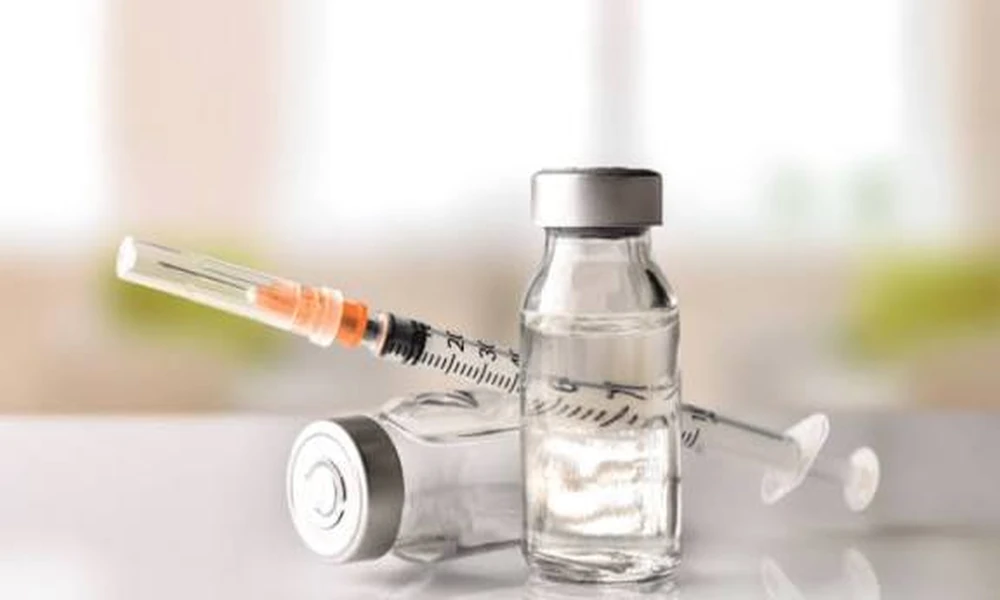

Tissue repair is where GHK-Cu sits in lifting research, not direct hypertrophy. That distinction gets lost when it appears alongside anabolic compounds in female muscle literature, but the mechanism is different enough to matter. For peptides for female muscle growth research, GHK-Cu draws attention because of what breaks down during resistance training rather than what grows. Micro-damage in muscle fibres, connective tissue stress, and oxidative load all accumulate across sessions, and how quickly those resolve determines how soon quality training can resume.
What role does CJC-1295 play?
Post-exercise GH secretion in women is shorter in duration than in men under matched training conditions. That gap is what makes CJC-1295 relevant here. It does not create a GH spike. It extends the active period of GHRH receptor stimulation at the pituitary, which keeps GH secretion elevated longer than it would remain without intervention. Downstream, that sustains IGF-1 production for a wider window after training ends.
Muscle protein synthesis and satellite cell recruitment both depend on that post-exercise hormonal environment. If the window closes quickly, some of the repair and growth signalling that should follow a session gets cut short. Female subjects in CJC-1295 protocols running across resistance training periods have shown lean tissue metric changes over 8 to 12 week windows, though the degree of response varies by estrogen status and training volume. The compound does not act independently of the stimulus. Documented effects in lifting contexts emerge most clearly when mechanical load is already present and consistent.
GHK-Cu with CJC-1295
- Tissue repair signalling
GHK-Cu works at an extracellular level to speed up the repair of muscle and connective tissue damage between sessions. CJC-1295 operates upstream at the pituitary, holding open the hormonal window that drives protein synthesis and satellite cell activity after each training bout. There is no overlap between them mechanically. One addresses structural resolution, the other addresses the duration of anabolic signalling that follows mechanical load.
- Estrogen interaction
GHK-Cu copper-dependent activity has been examined alongside estrogen-regulated antioxidant pathways in female tissue research. Pituitary receptor sensitivity plays a role in CJC-1295 GH production, a variable that changes throughout the menstrual cycle and declines at menopause. Neither compound’s interaction with estrogen is direct, but both sit within a female hormonal environment that modifies how they express in practice. That makes subject hormonal staging a relevant variable in any female-specific data drawn from either.
- Lifting context specificity
Most female-subject protocols for both compounds have been run alongside resistance training stimulus rather than in isolation. GHK-Cu repair signalling data comes largely from exercise physiology and sports medicine research contexts. CJC-1295 lean tissue data in female subjects emerges from protocols where training is the co-variable. Separating either from a lifting context would produce a different research picture than what currently exists for women specifically.
There is no direct equivalent between the GHK-Cu and the CJC-1295 in female lifting literature. A person can clear the damage that training causes. It extends the hormonal conditions that make each session count beyond its duration. Research treats them as different parts of a chain, not as alternatives.




Leave a Comment