


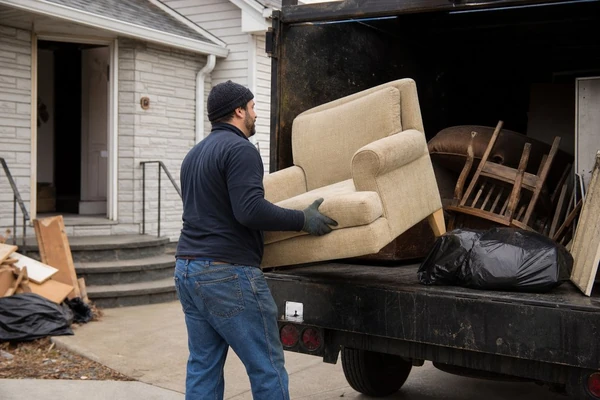
Household items ready for sorting
Clearing out a home, apartment, office, or storage unit can quickly become a major project. There’s more to it than simply hauling everything to the dump. Here’s what to think about before getting started on the task.
What Is the End Goal?
The approach to tackling a cleanout project will vary depending on the circumstances and desired outcome. Maybe you’re preparing to sell a house, dealing with clutter after inheriting a relative’s belongings, getting ready to renovate, or clearing out a rental after the tenants have moved out. Whatever the situation, it’s a good idea to figure out what you’re aiming for before you dive into sorting and clearing – Caring Transitions covers property cleanouts in Minneapolis, MN if you want that route.
Possible goals for a cleanout include:
- Clearing out the contents of a home, garage, attic, shed, basement, or storage unit
- Decluttering and sorting through belongings after a death in the family
- Emptying out a rental property
- Making space for remodeling or home improvement projects
- Sorting through and/or getting rid of belongings you no longer need
- Clearing cluttered hallways, stairs, and walkways for safety
- Making space in an overstuffed home, office, or other area
- Sorting items for disposal, recycling, and/or donation
- Hauling away furniture and other bulky items
Once you have a clear idea of what you want to accomplish, you can develop a plan and avoid common mistakes, like digging through piles of stuff looking for items you thought you’d already gotten rid of.
Plan for Tricky Items and Situations
Certain items and situations call for special attention, so keep an eye out for them as you sort through stuff. Here are some examples:
- Important documents
- Valuables
- Sentimental keepsakes
- Hazardous waste (paint, chemicals, etc.)
- E-waste (computers, TVs, etc.)
- Full appliances
- Prescription drugs
- Reclaimed items (furniture, electronics, etc.)
- Boxes labeled “important papers,” “important stuff,” “misc.,” etc.
- Anything else that catches your eye as unusual or worth keeping an eye on
You may want to sort through some items more thoroughly before getting rid of them. Boxes of old papers, for example, might contain tax records, identification, legal documents, or photos worth keeping. Electronics and some appliances may not be eligible for standard trash pickup, and prescription drugs shouldn’t go in the trash.
Keep in mind that cluttered conditions can pose safety risks for yourself and anyone else who will be helping out with the project. Make sure you have enough room to move around and haul out big items without damaging the property. You might need to get creative with furniture and other bulky items if there are narrow doorways, stairs, or hallways in your path, and you might need to disassemble some items in order to move them out.
Household belongings and storage boxes
Decisions About Belongings and Rooms
There’s no one right way to tackle the daunting task of figuring out what to do with all of a deceased person’s stuff, but making some decisions ahead of time can help keep things moving smoothly. If you find yourself overwhelmed with choices (trash? donate? recycle? shred? keep? ask Jane?), you might want to consider coming up with a few big buckets to sort items into during your initial pass through the space. You can always come back and make finer distinctions later on, but it’s important to keep things moving along, especially if the property isn’t safe or easy to move around in just yet.
Depending on your situation and goals, you may have a natural plan for how you’d like to tackle the house. If not, you might consider starting with areas that affect safety and accessibility (stairways, hallways, doorways, etc.) – the CDC explains the why of it at cdc.gov/niosh/slips-falls/about/index.html, moving on to bedrooms, offices, and other areas with personal effects and paperwork, and finishing with closets, cabinets, and other storage areas.
- For Minneapolis buildings, inquire about elevator reservations, building policies, alley access, dumpster drop-off requirements, and on-site parking availability for the moving truck.
- Build in extra time for loading your truck if snowy or icy conditions are present. Plan ahead for a safe walkway from your truck into the building.
- Keep in mind that some items may take longer to move in or out of your Minneapolis home or apartment than you anticipate.
Decision-Making Authority and Progress Checks
Depending on the situation, you may be clearing out a house on your own or working alongside relatives, friends, and/or hired help. If others are going to be involved in the process in any way, it’s helpful to talk ahead of time about expectations and decision-making authority.
Clearing out a house or apartment is a big job, and it’s easy to lose track of what still needs doing when you’re in the thick of it. Here are a few questions to ask yourself as you move through the project:
- Have I cleared out all the rooms and areas I meant to?
- Have I checked inside all closets, cabinets, and drawers?
- Did I check in with everyone who needs to be looped in on this project?
- Have I made decisions about what to do with everything I’ve cleared out so far?
- Is there anything I need to do to prep the property for its next chapter (cleaning, repairs, etc.)?
- Have I made a note of anything still needing attention so I don’t forget later?


Leave a Comment