
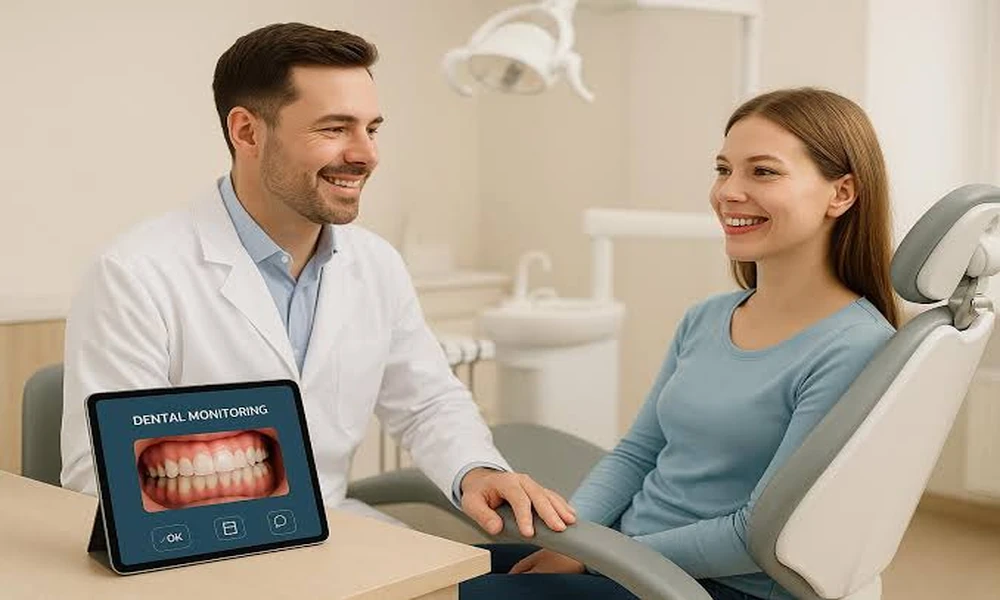

You might be staring at app alerts, scan reminders, and progress photos, wondering whether all this technology means fewer office visits or whether you are quietly being asked to manage your own treatment. That tension is real. Convenience matters, especially when work, school, childcare, and traffic already pull at your day. If you are exploring orthodontics and braces in Festus, MO, you want treatment that fits your life, not one more thing to juggle.
Remote orthodontic monitoring can help a lot. It can track tooth movement, flag broken attachments, and help your orthodontist decide whether you need to come in sooner or can wait. It does not replace diagnosis, hands on exams, X rays, treatment planning, emergency care, or the judgment that comes from seeing your bite, gums, jaw function, and overall oral health in person. If you remember one thing, make it this: remote orthodontic monitoring works best as an extension of orthodontic care, not a substitute for an orthodontist.
Remote orthodontic monitoring supports treatment between visits
The appeal is obvious. You take scans or photos at home, your orthodontist reviews them, and small problems may get caught before they turn into delays. If a tray no longer fits, a wire starts poking, or a tooth is not tracking as expected, remote check ins can shorten the time between noticing a problem and getting advice. For many patients, that means fewer unnecessary trips and more confidence that treatment is staying on course.
That benefit is backed by research. A systematic review on remote monitoring in orthodontics found that digital monitoring can improve supervision and may reduce the number of in office appointments in selected cases. Another review of artificial intelligence and remote systems in orthodontic care describes how these tools can help clinicians monitor aligner fit, hygiene, and tooth movement more efficiently.
This is where people often get mixed signals. Better monitoring is not the same as full treatment. A phone scan cannot feel mobility in a tooth. It cannot test whether a contact is too tight, whether enamel is wearing down, or whether jaw joints are under strain. If your gums are inflamed, if bone support is changing, or if your bite is shifting in a way the scan does not fully capture, a remote platform may show a clue, but it cannot complete the exam.
Virtual orthodontic check ins cannot replace diagnosis or hands on care
Orthodontic treatment is not just about moving teeth into a straighter line. It involves roots, bone, gums, airway considerations, bite function, and timing. That is why an orthodontist starts with records and a full diagnosis. A widely cited Harvard overview of direct to consumer orthodontics and oversight concerns points to a core issue: tooth movement without proper clinical evaluation can miss health conditions that affect safety and outcomes.
You may not feel anything wrong at first. That is part of the problem. Gum disease can be quiet. Root changes do not announce themselves. A tray that seems “close enough” may still be creating the wrong force. The National Institute of Dental and Craniofacial Research explains in Oral Health in America that oral health is tied to overall health and that access, prevention, and professional care all shape outcomes. Straight teeth alone do not equal a healthy mouth.
This matters most when treatment stops going according to plan. A loose bracket, an aligner that will not seat, gum recession, pain when chewing, or a bite that feels “off” after several trays are not things to manage through messages alone. That is when virtual orthodontic monitoring reaches its limit and in person care becomes the safer path.
What remote orthodontic monitoring can replace and what it cannot
| Part of Care | Can Remote Monitoring Help? | Can It Replace an In Person Visit? |
|---|---|---|
| Routine progress checks for stable cases | Yes. Photos and scans can show aligner fit, tooth tracking, and hygiene concerns. | Sometimes. It may reduce some scheduled visits when treatment is going well. |
| Initial diagnosis and treatment planning | Limited. Images can support records collection. | No. Diagnosis needs a full clinical exam and often X rays. |
| Emergency issues like poking wires, swelling, or sharp pain | Yes. It can help triage urgency. | No. Many emergencies need hands on care. |
| Monitoring gum health and oral hygiene | Partly. Visible plaque or inflamed tissue may be seen. | No. Periodontal assessment requires direct examination. |
| Refinements when teeth stop tracking | Yes. It can catch the issue early. | Usually not fully. Adjustments, attachments, or new records may be needed. |
| Retention after treatment | Yes. Good for checking retainer fit and relapse signs. | Sometimes. In person follow up is still useful if changes appear. |
The clearest way to think about it is this. Remote systems are strong at surveillance and communication. They are weak at diagnosis, touch, imaging, and intervention. That is not a flaw. It is just the boundary of the tool.
Practical steps to use orthodontic monitoring technology safely
1. Ask what the app is actually monitoring. You need a plain answer. Is your orthodontist reviewing every scan, or is software sorting them first. What signs trigger an office visit. How often are records updated. Good care is specific, not vague.
2. Keep your in person exams even if treatment feels easy. The easiest cases are often the ones that create false confidence. If your orthodontist wants periodic office visits, keep them. orthodontic monitoring is strongest when it fills the gaps between those appointments.
3. Report symptoms, not just photos. Tell your orthodontist if a tooth feels loose, your gums bleed, your bite changed, or chewing feels different. A scan shows one piece of the picture. Your symptoms show another, and both matter.
The best results come from combining convenience with clinical oversight
You do not have to choose between modern convenience and safe care. Remote tools can make treatment smoother, more responsive, and less disruptive to your life. They can never replace the full role of an orthodontist, especially when diagnosis, complications, or bite changes are involved.
If you are weighing your options, look for care that uses technology to support real clinical oversight, not to sidestep it. The right setup gives you fewer wasted visits, faster attention when something changes, and the reassurance that someone is watching the whole picture, not just the latest scan.





Leave a Comment