


Choosing the right flooring for your home isn’t just about looks—it’s about lifestyle, functionality, and the unique needs of each space. Whether you’re remodeling a single room or doing a full home renovation, understanding how flooring performs in different environments can help you make smarter, longer-lasting decisions. In this guide, we’ll explore the best flooring options room by room, based on durability, maintenance, and how your household lives day to day.
Living Room: Comfort Meets Style
Best Options: Hardwood, Luxury Vinyl Plank (LVP), Engineered Wood, Carpet Tiles
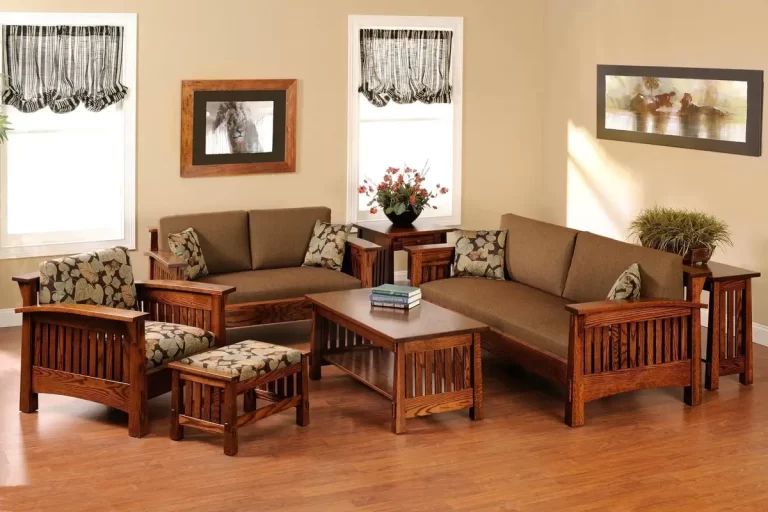
The living room is where aesthetics often take center stage. It’s the heart of the home—used for entertaining, relaxing, and everything in between. For most homeowners, comfort and visual appeal are top priorities here.
Hardwood provides timeless beauty and increases resale value. Choose oak or maple for a durable yet elegant finish.
Luxury Vinyl Plank is a great alternative for households with kids or pets—it mimics wood but is scratch- and water-resistant.
Carpet Tiles offer warmth and sound absorption in large spaces while making it easier to replace damaged sections.
Lifestyle Tip: If you host often or have young children, consider LVP or engineered wood for resilience against spills and foot traffic.
Kitchen: Tough, Water-Resistant, and Easy to Clean
Best Options: Porcelain Tile, LVP, Sheet Vinyl, Engineered Hardwood
Kitchens face a lot of action—spills, heavy foot traffic, and dropped cookware. Flooring here needs to be both stylish and hard-wearing.
Porcelain Tile remains a top choice thanks to its water resistance and long lifespan. It also handles temperature fluctuations well.
Sheet Vinyl is budget-friendly and provides a seamless, waterproof surface.
Engineered Hardwood can be used for a warmer, more elegant kitchen—but only if moisture is carefully managed.
Lifestyle Tip: If you cook daily and want a soft-underfoot surface, consider cushioned vinyl or add washable area rugs over tile.
Bathroom: 100% Waterproof Is a Must
Best Options: Ceramic/Porcelain Tile, Vinyl Tile/Sheet, Natural Stone
Bathrooms demand flooring that can stand up to humidity, standing water, and daily cleaning.
Ceramic or Porcelain Tile is the industry standard for a reason—it’s waterproof and available in endless styles and textures.
Luxury Vinyl Tile (LVT) offers a softer, warmer feel than tile and is still fully waterproof.
Natural Stone, like slate or marble, creates a spa-like ambiance but requires sealing and more maintenance.
Lifestyle Tip: Households with small kids or older adults may want slip-resistant tile finishes for safety.
Bedroom: Softness, Warmth, and Serenity
Best Options: Carpet, Hardwood, Cork, Engineered Wood
Bedrooms are personal sanctuaries. Here, comfort underfoot and a cozy aesthetic often outweigh extreme durability.
Wall-to-Wall Carpet is still the favorite for warmth and noise reduction. It’s perfect for upstairs rooms.
Hardwood and Engineered Wood lend a more upscale look and can be softened with area rugs.
Cork is a growing trend—it’s soft, insulating, and naturally antimicrobial.
Lifestyle Tip: For allergy sufferers, opt for hardwood or cork over carpet, as they don’t trap dust or allergens.
Entryway & Hallways: Durable and Dirt-Resistant
Best Options: Tile, LVP, Concrete, Slate
These high-traffic areas deal with everything from muddy boots to dropped keys. Flooring needs to be tough and easy to clean.
Slate or Textured Porcelain Tile is great for slip-resistance and has a natural look.
LVP once again proves its versatility, especially in homes with pets.
Concrete (sealed and polished) is modern, durable, and easy to maintain.
Lifestyle Tip: Use dark colors and matte finishes in these spaces to hide dirt and scuffs more easily.
Basement: Moisture-Resistant and Mold-Proof
Best Options: Epoxy-Coated Concrete, LVP, Vinyl Sheet, Tile
Basements often battle moisture and temperature fluctuations, so waterproof and mold-resistant flooring is key.
Epoxy-Coated Concrete is sleek, industrial, and ultra-durable.
Sheet Vinyl or LVP performs well in below-grade spaces due to its resistance to water and temperature changes.
Tile works too, but can feel cold unless paired with radiant heating.
Lifestyle Tip: If using the basement as a living space or gym, add rubber tiles or padded flooring on top of your moisture barrier.
Conclusion: Match Flooring to Real Life
When it comes to flooring, one size doesn’t fit all. Your flooring Dubai should support your lifestyle—whether that means standing up to spills in the kitchen, providing warmth in the bedroom, or handling muddy shoes in the entryway. Take the time to assess the function of each room, your family’s habits, and your maintenance preferences. With the right match, your floors will serve your home beautifully for years to come.





Leave a Comment