
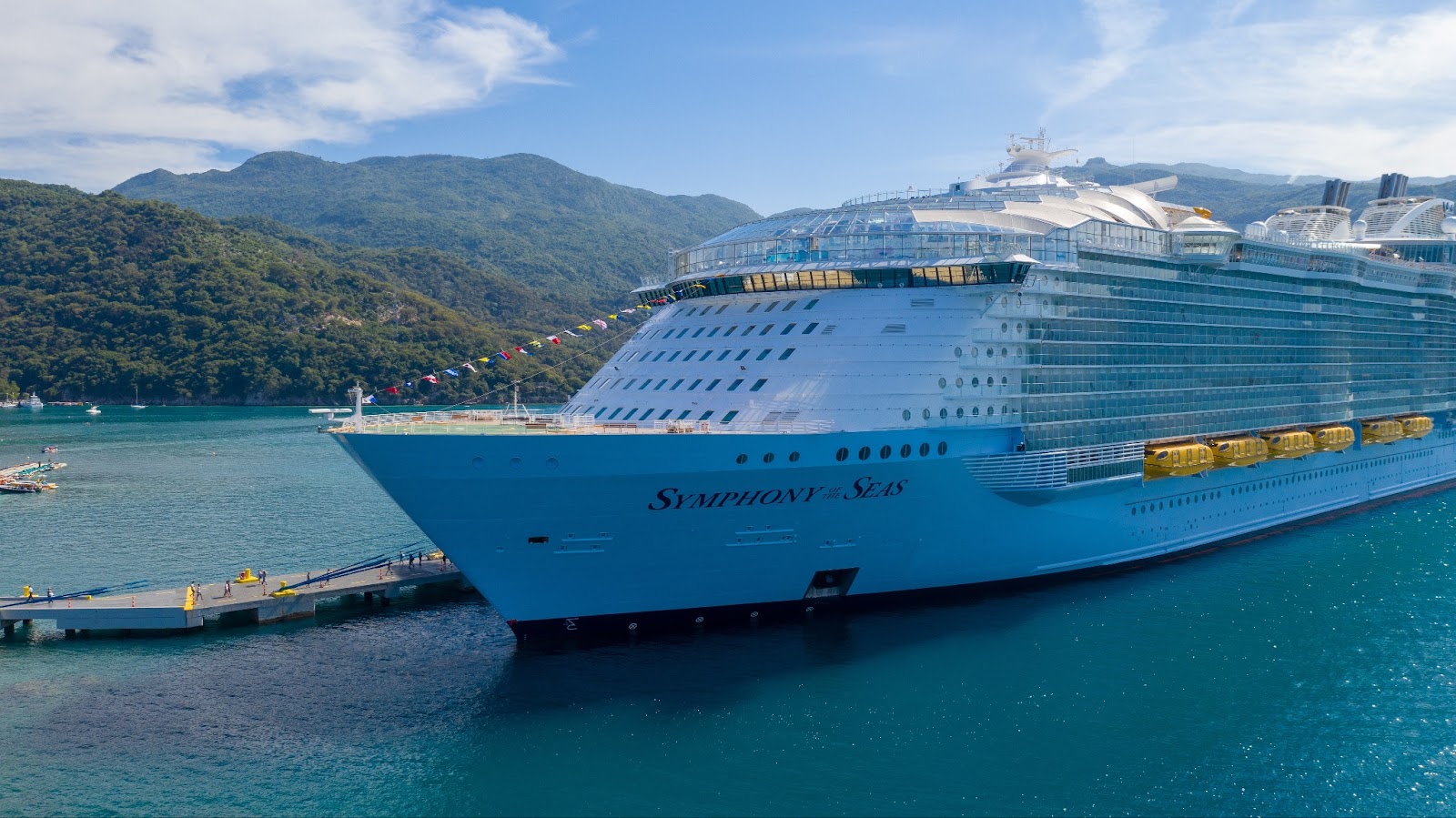

Cruising has long been a favorite way for travelers to explore multiple destinations in comfort and style. While many people naturally gravitate toward peak travel seasons, there is a growing appeal to sailing during the off-season. Off-season cruising offers a unique opportunity to enjoy popular destinations with fewer crowds, lower costs, and a more relaxed pace. For those who appreciate culture, scenic beauty, and leisurely travel, off-season cruising can be a surprisingly rewarding choice.
One of the most obvious advantages of off-season cruising is the cost savings. Fares for cabins, excursions, and onboard amenities can be significantly lower outside of peak periods. Travelers can take advantage of these reduced prices to experience a higher level of comfort or to include extra excursions that might otherwise stretch a budget. Even luxury offerings such as specialty dining or spa services become more accessible during quieter months, allowing travelers to enjoy a richer cruise experience without overspending.
Traveling in the off-season also means fewer crowds both on board and at ports of call. Popular destinations can feel overwhelmingly busy during peak months, but off-season cruises provide a quieter, more personal experience. Strolling through historic towns, visiting museums, or exploring scenic coastlines becomes far more enjoyable without the stress of competing with large groups of tourists. This calmer environment also makes it easier to take photographs, connect with local culture, and savor the surroundings in a way that is simply not possible during high season.
Weather during the off-season can also be surprisingly favorable. While some destinations experience cooler temperatures or occasional rain, many regions still enjoy comfortable conditions. For example, European cruises in the spring or fall often offer mild weather, pleasant temperatures, and fewer tourists. Travelers can enjoy iconic landmarks, scenic riverbanks, or coastal towns with a sense of tranquility that is often lost in the summer rush. Similarly, destinations in the Caribbean or tropical regions may offer warm, sunny days without the intense heat or humidity that comes with peak summer travel. Planning carefully can maximize the benefits of mild off-season weather while minimizing potential disruptions.
Flexibility is another major advantage of off-season travel. Cruise lines often have greater availability during quieter periods, which means travelers may have more options when it comes to cabin location, dining times, and onboard activities. Shore excursions may also be less crowded, giving visitors more freedom to explore at their own pace. This flexibility can turn a standard vacation into a more personalized experience, allowing travelers to enjoy both structured tours and spontaneous exploration.
The onboard experience itself tends to be enhanced during off-season cruises. With fewer passengers, ships feel less crowded, making it easier to access entertainment venues, pools, and restaurants. Crew members often have more time to provide attentive service, creating a more relaxed and enjoyable atmosphere. Passengers can participate in classes, workshops, or fitness sessions without the usual wait times, and evenings onboard are often quieter and more refined, offering a sense of luxury that is harder to come by during peak periods.
Cultural experiences are also enriched in the off-season. Many destinations host local events or festivals outside of the peak tourist season, providing opportunities to witness authentic traditions and regional celebrations. Visiting local markets, attending performances, or sampling seasonal cuisine can be more accessible and meaningful when travelers are not competing with large crowds. These moments often create memories that feel personal and unique, deepening the overall travel experience.
Planning an off-season cruise does require some consideration. It is important to research regional climate patterns, potential weather variations, and the operating schedules of key attractions. While certain destinations may have shorter operating hours or temporary closures, the overall benefits of fewer crowds, lower prices, and enhanced experiences often outweigh these minor inconveniences. Travelers who approach their journey with flexibility and an open mind are often rewarded with a richer, more authentic experience.
European cruises, in particular, offer a compelling reason to explore off-season travel. From the canals of the Netherlands to the historic ports of the Mediterranean, these itineraries allow travelers to experience iconic cities and coastal towns without the throngs of peak-season tourists. Visiting European landmarks in the quieter months can provide a more intimate perspective, allowing for leisurely strolls, relaxed café visits, and the opportunity to engage with local culture in a more meaningful way. Off-season European cruises highlight how strategic timing can transform well-known destinations into a truly personal journey.
In conclusion, off-season cruising offers a variety of advantages for travelers seeking a blend of relaxation, adventure, and cultural enrichment. Cost savings, reduced crowds, improved onboard experiences, and opportunities for authentic cultural engagement make these cruises an appealing alternative to traditional peak-season travel. Thoughtful planning and flexibility allow passengers to enjoy favorable weather, explore destinations at a more leisurely pace, and participate in experiences that are often unavailable during busier months. For travelers looking to see the world in a more relaxed and personalized way, off-season cruising—particularly in destinations like Europe- offers a rewarding and memorable journey that stands apart from the typical travel experience.








Leave a Comment